Every year, countless homeowners deal with the unwelcome sight of black mold in their living areas, particularly on wood surfaces. It's a problem that draws concern not just because it's unsightly but due to the potential health risks it poses. So, is black mold on wood dangerous to your health? This is an important question for anyone dealing with potential mold infestations. Residents may need the expertise of a restoration company in Columbus, especially when they face potential harm from infestations like black mold.
Discovering black mold on wood can be alarming, bringing with it a host of questions about potential health implications and the steps needed to effectively and safely remove it. This discussion delves into the nature of black mold, its health risks, and how it can be addressed, focusing particularly on wooden surfaces. If you're wondering about how to safely remove black mold, prevent its recurrence, or even just understand the risks better, keep reading to find the answers to these crucial questions.
Understanding Black Mold
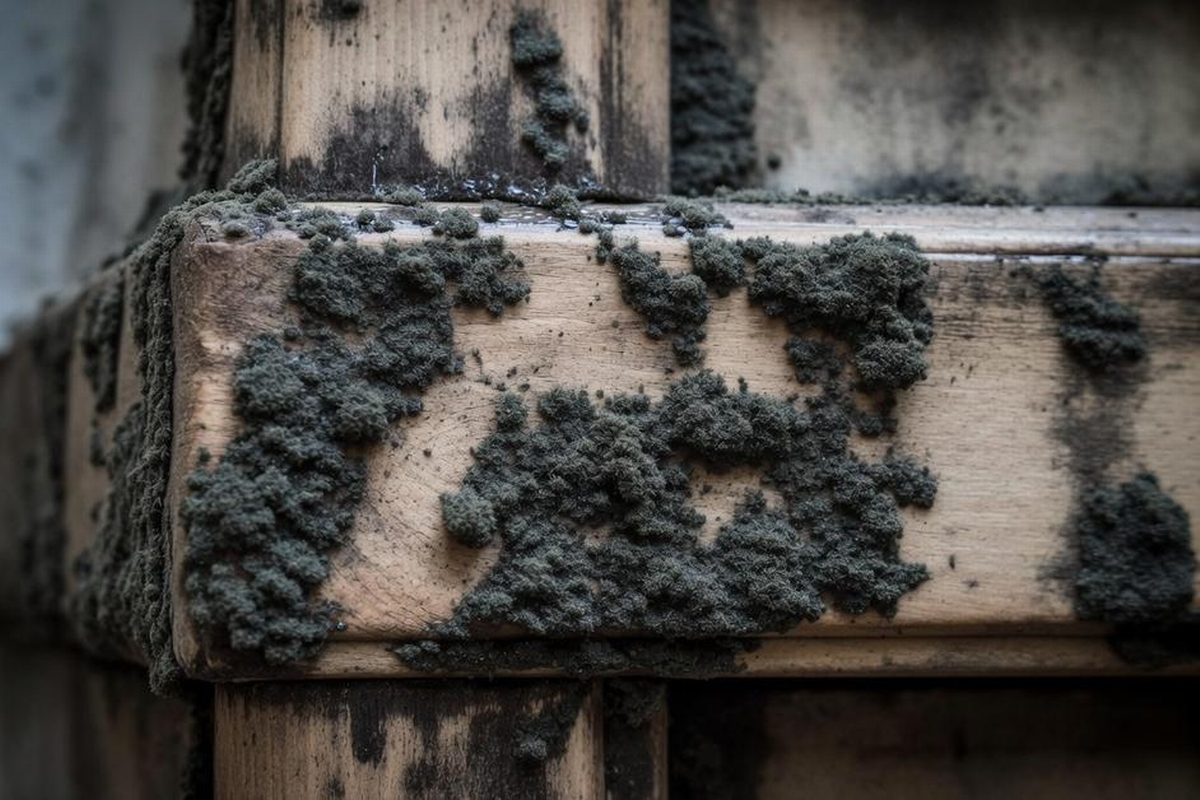
Black mold, scientifically known as Stachybotrys chartarum, is a type of fungus notorious for growing in moist and humid environments. It is easily identifiable by its dark green to black color, and it typically develops on materials with high cellulose content, such as wood, paper, and even some fabrics. Unfortunately, when water leaks or prolonged humidity occurs, black mold can proliferate, leading to it becoming a common challenge for homeowners and business owners alike.
The microscopic spores released by mold not only cause unsightly discoloration and damage to affected materials, but they also pose various health risks. For individuals with respiratory illnesses, allergies, or weakened immune systems, exposure to black mold can exacerbate symptoms and lead to more serious health issues. This makes understanding the inherent dangers of black mold on wood crucial.
Health Risks Associated with Black Mold
Is black mold on wood dangerous to your health? According to health experts, prolonged exposure to black mold can lead to adverse health effects, ranging from mild allergic reactions to more severe respiratory issues. When mold spores become airborne, they can easily be inhaled, leading to symptoms such as coughing, sneezing, itchy eyes, skin irritation, and even asthma attacks.
For people with sensitivities or chronic respiratory conditions, these symptoms can worsen, potentially resulting in more serious complications like chronic sinus infections or pneumonia. In some instances, exposure to high levels of black mold may also lead to neurological symptoms such as headaches, memory loss, and dizziness. It’s clear that addressing black mold on wood promptly is essential to minimizing these health risks and maintaining a safe living environment.
Causes and Growth Conditions for Black Mold
Understanding the conditions that promote the growth of black mold can help in addressing the root of the problem rather than its symptoms alone. The growth of black mold is typically sparked by increased moisture levels, either from water damage, condensation, or even high humidity. Leaking pipes, flooding, or improper ventilation can create ideal conditions for mold growth, as these situations often result in damp and poorly ventilated spaces.
One of the challenges of dealing with black mold is that it doesn't necessarily grow in visible areas. It can hide behind walls, under floorboards, or within wooden furniture, spreading out of sight. This is why enlisting the help of specialists in mold removal in Columbus is invaluable; they possess the expertise and equipment needed to detect, treat, and prevent further mold growth effectively.
How to Safely Remove Black Mold
If black mold is found on wood in your home, immediate action is necessary to mitigate health risks and potential damage to your property. Before commencing any removal efforts, it's vital to understand that improper handling can exacerbate the problem by releasing more spores into the air. Thus, safe and effective removal requires proper protective gear, such as gloves, goggles, and masks, to minimize direct exposure.
Here are a few steps to consider when addressing black mold:
- Identify and Fix Moisture Sources: Eliminate all sources of moisture. Repair leaks, improve ventilation, and use dehumidifiers to reduce humidity levels.
- Isolate the Area: Seal off the affected area with plastic sheeting to prevent spore spread.
- Clean Affected Surfaces: Use a gentle detergent or a mixture of water and vinegar. Scrub thoroughly, but always ensure that the wood surface is not completely saturated with water, as this can promote mold growth.
- Dry Thoroughly: Ensure that the wood dries completely to stop mold from returning.
- Dispose of Contaminated Materials Carefully: Items unable to be cleaned should be sealed in bags and disposed of, to prevent spore spread.
However, due to the potential for respiratory issues and the presence of hidden mold, many might find it prudent to seek the services of professional restoration companies. A company specializing in board-up and reconstruction services in Columbus and beyond can not only ensure the mold is removed properly but can also prevent future infestations by addressing underlying issues.
Prevention Tips
After effective removal, preventing black mold from returning should become a top priority. Maintaining a dry and well-ventilated home environment is essential. Here are some prevention tips to consider:
- Control Humidity: Keep indoor humidity levels below 50% using air conditioners and dehumidifiers.
- Increase Ventilation: Use exhaust fans in kitchens and bathrooms to disperse moisture.
- Inspect Regularly: Conduct regular inspections of plumbing and roofing to catch leaks early.
By staying vigilant and taking these preventative measures, you can significantly reduce the risk of black mold making a comeback, ensuring your home remains a safe and comfortable space.
Tailored Solutions for Residents
Understanding the gravity of mold issues and the importance of professional assistance, Thompson Restoration Associates offers comprehensive mold removal services. This entails diagnosing and treating affected areas while providing long-term solutions to safeguard your property. Should you find yourself dealing with persistent mold issues, experts in commercial services can offer you the peace of mind that comes with knowing your property is in capable hands.
If you're residing near Columbus, our team is poised to deliver effective mold remediation services. Whether your challenges involve water damage restoration or addressing ongoing structural issues, we stand ready to guide you through every step. Finding a reliable restoration company is crucial in maintaining the structural integrity and health of your home.
Why Choose Thompson Restoration Associates
Addressing mold on your own can be a daunting and risky task, especially when dealing with something as pervasive as black mold. For residents in and around Columbus, it's critical to benefit from expert guidance and comprehensive solutions. With Thompson Restoration Associates, not only are you securing top-quality restoration services, but you're also partnering with a company dedicated to preserving the safety and health of your living spaces.
Contact us today to schedule a consultation or to learn more about our extensive range of services. From mold removal in Hilliard to water damage restoration in Marysville, our team of specialists is here to assist you every step of the way. Don’t wait for mold to become a bigger threat to your home and health. Let us help you act swiftly and effectively today.