
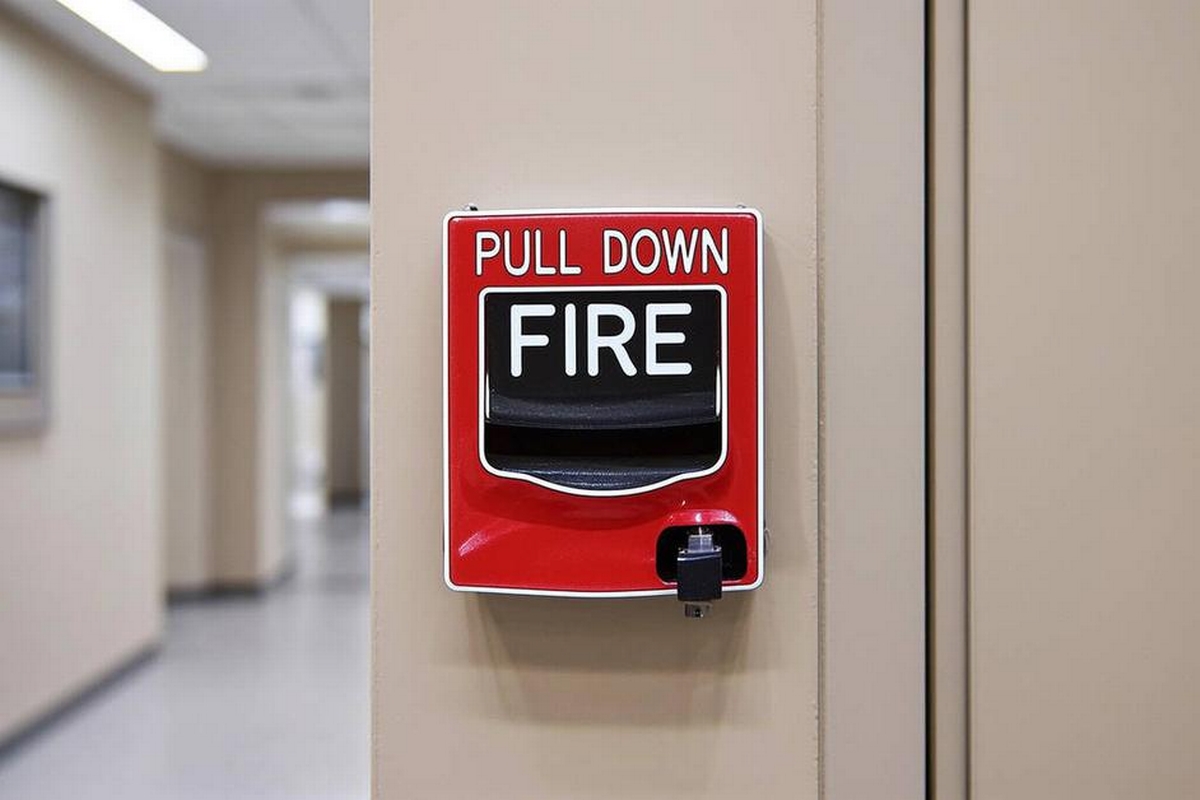
Fire safety is a crucial aspect of both residential and commercial building management, often dictating the very survival of inhabitants and assets in the face of disaster. One of the critical considerations in ensuring maximum safety is choosing between a central and local fire alarm system. Understanding the "central vs local fire alarm" debate becomes fundamental in making informed decisions about fire safety systems, particularly when they might dramatically impact the effectiveness of damage restoration services in Columbus, in the aftermath of an emergency.
As leaders in the restoration industry, Thompson Restoration Associates recognizes the overriding necessity of these systems as they relate to prevention and aftermath handling of fire incidents. This comprehensive guide will explore the five key differences between central and local fire alarm systems to aid you in selecting the system that suits your needs best. From installation complexities and maintenance to monitoring capabilities and response time, these distinctions will inform and empower your decision-making process.
Central Fire Alarms: Overview and Benefits
Central fire alarm systems are a comprehensive safety solution primarily used in larger buildings or complexes. As the name suggests, these systems are centrally controlled and monitored, often providing real-time communication with local fire departments and emergency response teams. Imagine the peace of mind knowing an effective fire safety net is diligently watching over your premises.
Monitoring and Response Time
One of the standout features of central fire alarm systems is their connection to a central monitoring station. This station operates around the clock, ensuring that all alarm signals trigger an instant alert to emergency services, greatly improving response times. In the heat of an emergency, saved seconds can translate into saved lives and property. Connecting your fire alarm system to a central service protects against both mundane and extraordinary risks, making it an indispensable tool for comprehensive fire damage restoration in Columbus and its nearby areas.
System Integration and Scalability
Central systems offer significant advantages in terms of scalability and integration. They can seamlessly interface with other safety systems like sprinklers, smoke detectors, and controlled access points to form a cohesive safety network. For commercial properties, the integration capabilities are invaluable, creating an interlinked web of protective measures that can easily adapt with the growth of the building or facility.
Local Fire Alarms: Overview and Benefits
In contrast, local fire alarm systems are standalone units usually deployed in smaller spaces like single-family homes, small offices, or retail spaces. These systems are straightforward and operate independently of central monitoring stations.
Cost-Effectiveness and Ease of Installation
One of the most appealing aspects of local fire alarms is their cost-effectiveness. Without the need for central monitoring or complex integrations, the upfront costs are more manageable for tight budgets. Their simple installation process is another draw, making them a favored option for homeowners seeking quick solutions without compromising safety.
Dependability and Independence
These systems function independently, meaning their operation isn’t reliant on external communication lines or connectivity. Local alarms offer a straightforward alert system, usually through audible alarms when smoke or fire is detected. This independence ensures that even in scenarios where power or phone lines are compromised, the alarm system remains operational, although response times to intervention may not be as swift as those managed by central systems.
A Comparison: 5 Key Differences
1. Monitoring and Response
Central fire alarm systems maintain a constant vigil over properties, providing both automated and manual monitoring options 24/7, while local systems depend on proximity-based alerts that require individuals to manually resort to emergency services.
2. Cost and Installation
With central systems, installation and monitoring fees are usually higher due to the complexity and integration required. In contrast, local fire alarms offer affordable entry points, often eliminating the need for ongoing monitoring fees.
3. System Integration
Central systems reign supreme with their seamless integration capabilities, providing a harmony of different safety measures in a single ecosystem. Local alarms, however, are self-sustained without the need for intricate integration, catering to smaller, less complex structures.
4. Scalability
If you foresee growth or an expansion of your property, central systems provide ease scaling. Conversely, expanding a local fire alarm system may require the addition of more standalone units without interconnected enhancements.
5. Independence and Dependability
Local systems gain an edge with their independence, ensuring functionality is maintained without reliance on external factors. Central systems, while offering robust dependability, do rely on connectivity and external monitoring, which can occasionally be disrupted.
Summarizing Key Benefits
For comprehensive protection and speed in fire response, central systems are a considerable investment. However, for smaller spaces or where budget constraints exist, local systems offer sufficient protection by ensuring immediate alerts without significant financial outlay.
Additional Considerations
Choosing between central and local fire alarms must also take into account future regulations and safety compliance, areas that may demand superior protection measures and system updates over time.
Making the Right Choice for Your Needs
Selecting between a central and local fire alarm depends largely on the specific requirements of the property and the potential risks it may face. For instance, businesses located in large complexes could immensely benefit from a centrally monitored system, ensuring quick emergency response and coordinated fire management. Where simple, effective solutions are required, local systems provide reliable alerts and personalized adaptability, ideal for smaller environments.
As you make your selection, consider both current and future needs. Planning with a forward-thinking mindset ensures that the chosen system adapts over time, providing scalability, a critical asset in businesses or regions with evolving landscapes.
How Thompson Restoration Associates Can Help
Fire safety is an aspect of building management that cannot be underestimated—a belief that Thompson Restoration Associates holds firm. Whether you're seeking guidance on implementing a central vs local fire alarm system or need robust support in areas like fire damage restoration in the Marysville area, our expertise delivers peace of mind. We combine understanding and quick response with quality restoration services to minimize risk and safeguard assets.
Transform your fire safety strategy today with Thompson Restoration Associates, ensuring that your fire protection systems continue to serve and protect you effectively. Prioritize safety, and rely on our proven expertise to support you every step of the way. For more information or to discuss your specific needs, don't hesitate to reach out and contact us for a comprehensive consultation.