In the heart of Columbus, OH, water damage can be an unexpected and disruptive force, leaving homeowners and businesses in urgent need of help. With basements flooding from sudden downpours and pipes freezing in the harsh winter months, understanding the intricacies of water damage restoration and sanitation is essential in safeguarding your home or business. For those in search of reliable help, a restoration company in Columbus, like Thompson Restoration Associates, provides indispensable services to mitigate the damage and restore peace of mind. This guide explores what water damage restoration and sanitation involve, why they are crucial, and how professionals in the industry execute this complex task. Whether you're dealing with a minor leak or a major flood, knowing what to expect can turn a stressful event into a manageable process.
Water damage isn't just about the immediate effects of a leak or flood; it's about preventing the secondary damage that often follows. Mold growth, structural weakening, and unpleasant odors are some of the aftereffects that can become costly if not promptly addressed. This blog will delve into each stage of the restoration journey, offering insights into the benefits of professional intervention, useful tips for homeowners, and why you might need to consider calling a specialist. The process spans assessment and extraction to thorough sanitation and reconstruction if needed. But with so many steps involved, how do homeowners ensure they're approaching the process effectively? Let’s find out.
Understanding the Impacts of Water Damage
Water damage is multifaceted, influencing both health and structural integrity. Initially, it may appear as a small stain on the ceiling or a trickling sound behind walls, but the extensive damage often lies deeper and spreads quickly. Water is not only capable of damaging personal property but can also create an environment where mold thrives, posing severe health risks. It weakens structural elements over time, compromising the safety of your environment. Knowing the hidden impacts is crucial in grasping the gravity of the situation.
Damp and moist conditions serve as a breeding ground for mold, which can begin to grow within 24 to 48 hours after water intrusion. This requires attention not just to visible areas but to hidden spaces behind walls and under floorboards. Inhaling mold spores can lead to respiratory issues, allergic reactions, and more severe health problems. Another critical concern is the deterioration of building materials. Wood, drywall, and insulation can absorb water, leading to swelling, decay, or rot, further increasing repair costs if left untreated.
The Water Damage Restoration Process
To tackle water damage effectively, it’s important to understand the methodical approach used by professionals. The process typically begins with a thorough assessment, where specialists gauge the level of damage using advanced equipment. Moisture meters and infrared cameras help in identifying the extent of saturation and hidden water pockets. Missteps during this phase can lead to inadequate restoration efforts, making the initial assessment a vital component of the overall success.
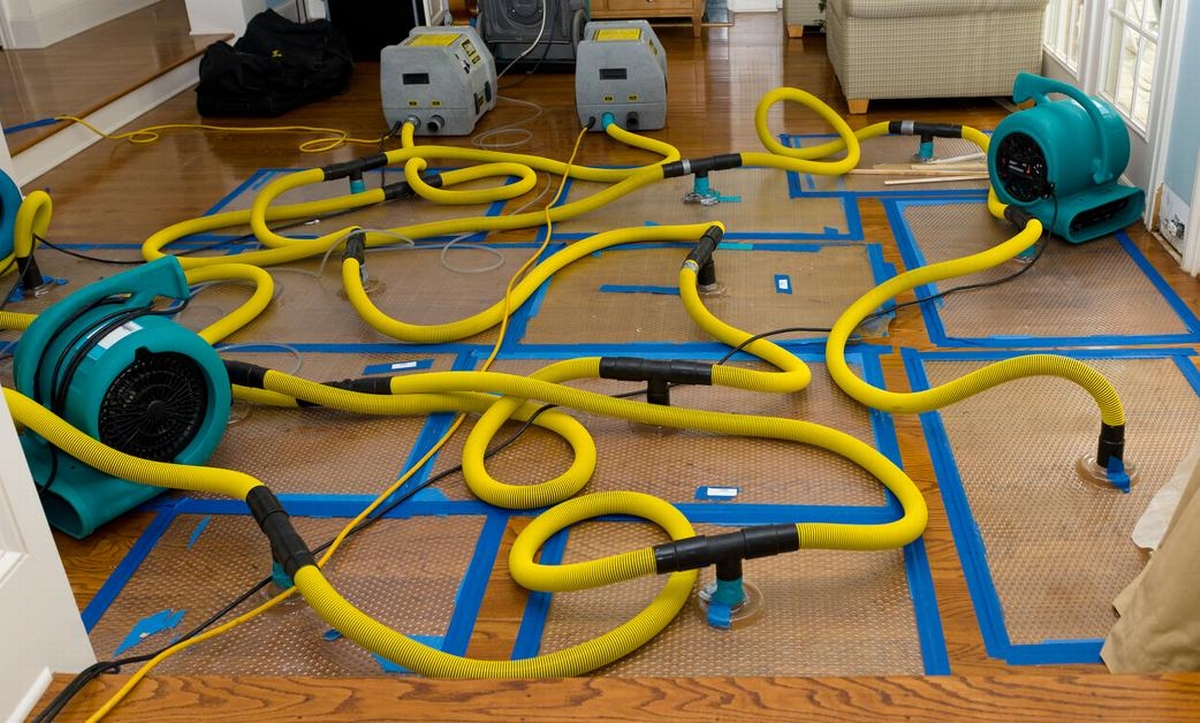
Once the extent of the damage is determined, the next step is to remove the water using industrial-grade pumps and vacuums. Rapid extraction is essential to minimize damage and prevent mold proliferation. After most of the water is removed, the drying and dehumidification phase begins. High-powered dryers and dehumidifiers are used to further eliminate moisture, tackling the hidden wet areas mentioned earlier.
Here are the steps commonly involved in the restoration process:
- Inspection and Assessment : Determining the water damage's severity.
- Water Removal and Extraction : Using industrial equipment for effective water removal.
- Drying and Dehumidification : Employing professional tools to reduce moisture levels to safe standards.
- Cleaning and Sanitizing : Ensuring all affected areas meet health and safety codes by eliminating contaminants.
- Restoration and Repair : Fixing or replacing any damaged materials, ensuring the property is as good, or better, than before the incident.
It’s during the cleaning and sanitizing phase that sanitation truly comes into play. This step not only removes visible dirt and contamination but also bacteria and pathogens that might have come in with the floodwater. Every affected area must be treated to ensure no bacteria or mold spores linger, ultimately protecting those who return to the space.
Professional Sanitation and Its Crucial Role
Inadequate sanitation post-water damage puts lives at risk. Floodwaters often contain harmful microorganisms and toxins that can linger if not thoroughly addressed. Proper sanitation involves using specialized products and techniques. Professional teams utilize disinfectants and chemical cleaners that are safe and effective for various surfaces, ensuring all possible pollutants are neutralized. These procedures are crucial, especially in environments where water intrusion was extensive or involved sewage.
Regular cleaning products available to consumers might not be sufficient. Professional-grade sanitation deals with all levels of contamination. It also involves deodorization, ensuring no unpleasant smells linger post-restoration. High humidity levels usually exacerbate odors, so using the right blend of treatments ensures your home is both clean and smells fresh. Also, professionals have an understanding of what materials can safely be restored and what should be replaced entirely, maintaining high health standards.
The Benefits of Hiring Professionals
The appeal of doing it yourself is understandable, but water damage restoration and sanitation should not be taken lightly. Hiring a professional restoration company like those providing water damage restoration in the Columbus area offers several key advantages. Expertise, access to industrial tools, and a swift, efficient approach are just a few. Professionals not only ensure that all damage is repaired correctly but that preventive measures are in place to avert future occurrences.
Professionals can help with documentation for insurance purposes, clarifying the exact nature of damages and remedial work done, which is often required for claims. Additionally, they provide insights and tips tailored to your specific situation, ensuring peace of mind that comes with knowing your property is in experienced hands. Moreover, they can offer valuable advice on steps to take post-restoration to maintain a clean, safe, and dry environment.
Water damage restoration, fire damage restoration, mold removal, board up, pack out, reconstruction, remodeling, and deodorization - each of these services provided by professionals addresses specific links in the restoration chain. Especially in areas like Columbus, OH, where weather variances demand a flexible yet robust approach. Selecting the right restoration service is paramount in safeguarding both property and health.
Tips to Prevent Future Water Damage
Taking proactive steps can help prevent or minimize the impact of water damage should it occur. First, regular maintenance is key. Inspect and repair roofs, gutters, and downspouts to ensure they direct rainwater away from your home. Make sure that your sump pump is functioning correctly, and check your windows and doors for leaks or drafts. Educate yourself on local weather patterns so you can prepare and protect your property accordingly.
Understand what your insurance policy covers and consider additional flood insurance if needed. Familiarize yourself with nearby resources, such as Thompson Restoration Associates, to act quickly in the event of an emergency disaster. These steps can significantly reduce potential damage and stress in the aftermath of water intrusion.
For those looking to take immediate action, consider using these tips for initial precautions:
- Check and maintain gutters regularly to prevent overflow.
- Investigate and seal any cracks around windows or doors to reduce water seepage during storms.
- Install backwater valves and flood alarms for early detection of leaks or floods.
- Keep valuable items on elevated shelves, away from basement floors.
These steps can help cushion your property against unforeseen water damage, providing an extra layer of security that could be invaluable during adverse conditions.
Ensuring Comprehensive Recovery
For residents in Columbus, OH, and surrounding areas, understanding the intricacies of water damage restoration and sanitation is integral for peace of mind. Choosing a reliable restoration company and applying preventive measures will ensure your property is well-guarded against future surprises. Whether it’s commercial services in Westerville or water damage restoration in Chillicothe, Thompson Restoration Associates offers a tailored approach that aligns with your needs.
Remember, swift action paired with professional help can mitigate damage, ensure thorough sanitation, and provide a seamless recovery process. The key takeaway? When it comes to water damage restoration and sanitation, informed decisions coupled with expert assistance can make all the difference in safeguarding your investment. Connect with Thompson Restoration Associates if you find yourself in need of restoration assistance - they’re equipped and ready to return your peace of mind.