
When your home is besieged by water pooling in your yard or seeping into your basement, understanding what a French drain is can be crucial. This system serves as an effective solution for directing water away from vulnerable areas of your property. As a seasoned restoration company in Columbus and its surrounding areas, Thompson Restoration Associates ensures that our community is informed about such vital solutions to keep their homes safe from water damage. In this article, we'll explore what a French drain is, how it works, and when you might consider installing one. Such drainage systems are not only beneficial for preventing water issues but are integral in maintaining the structural integrity of your home.
The Basics of a French Drain
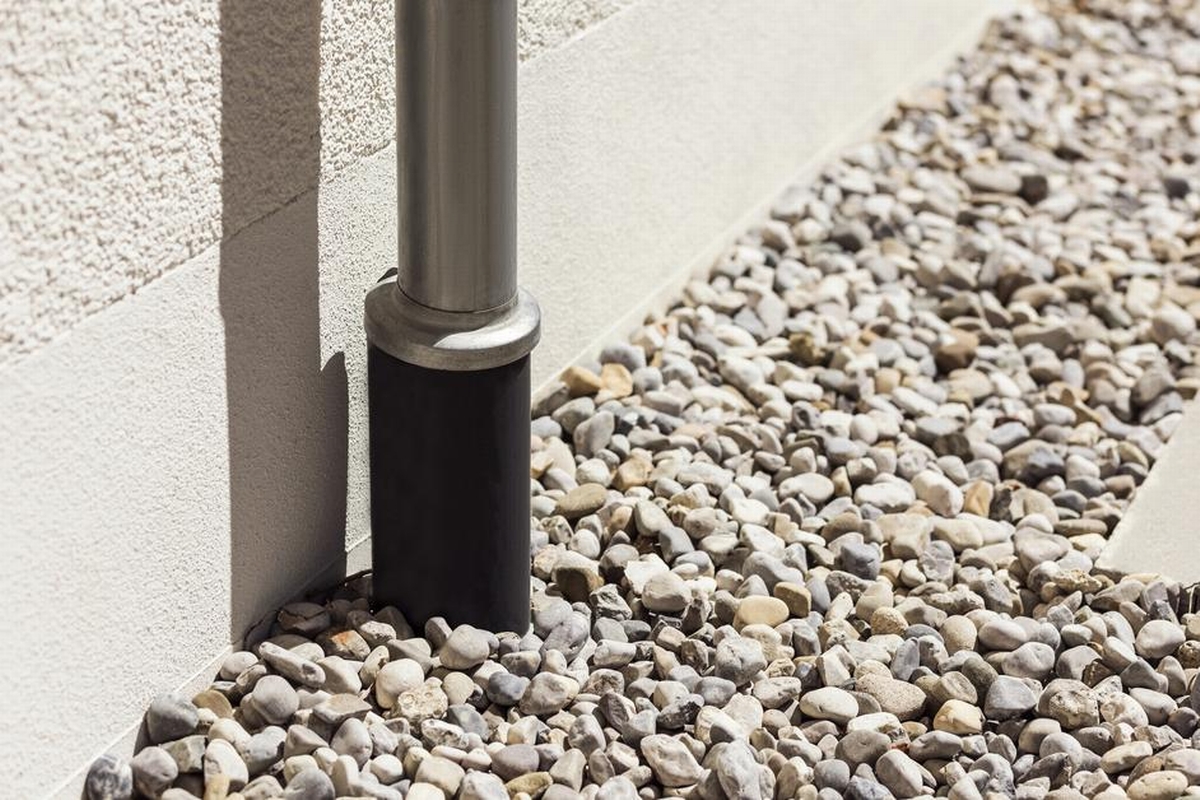
At its core, a French drain is a trench filled with gravel or rock containing a perforated pipe that redirects surface water and groundwater away from an area. The primary intention of a French drain is to curb excess water from causing damage to your property, which can be especially valuable if you're dealing with frequent flooding or waterlogging.
Key Benefits of French Drains:
- Prevent Basement Flooding: By redirecting water from the foundation.
- Protect Yard Landscaping: Helps maintain a dry garden or lawn area.
- Reduce Soil Erosion: Keeps your soil structure intact.
- Improved Drainage: Offers a long-term and cost-effective solution.
How Does a French Drain Work?
Understanding how a French drain operates requires a look into its simple yet effective engineering. These drains function through the law of gravity and innovative design, working naturally to move water away from your home or business. Here’s a closer look:
- Collection: The drain collects water along the trench. The perforated pipe inside gathers water coming from either surface water or groundwater.
- Redirection: Once collected, the water moves through the pipe, powered simply by the natural slope of the pipe.
- Discharge: The water is then directed to a safer area, such as a drainage ditch, a street, or any area where it cannot cause harm.
This engineering results in a drainage method that’s practically maintenance-free, efficient, and reliable, often implemented around homes and buildings at risk of water seepage.
When Should You Consider a French Drain?
Deciding when to install a French drain can depend on several factors regarding your property’s geographical and structural specifics. Here are scenarios where considering a French drain might prove beneficial:
- Chronic Yard Flooding: If you notice your yard is consistently pooling with water, compromising your lawn’s health and vibrancy, it’s a good time to consider a French drain.
- Basement Water Issues: Frequent basement flooding or dampness that’s prone to mold can signal a need for improved drainage solutions.
- Foundation Concerns: Water settling around your home’s foundation can weaken it over time, leading to severe structural issues, like cracking.
- High-Risk Flood Zones: Properties situated in locations prone to heavy rainfall or nearby bodies of water that occasionally overflow.
Installing a French Drain
Though the concept is straightforward, installing a French drain requires careful planning and execution to ensure efficiency. Here’s a step-by-step overview of the process:
- Plan Your Design: Determine where the water is collecting and where it can be safely redirected.
- Dig the Trench: This requires precision, generally needing to be 8 to 12 inches deep and 6 inches wide.
- Add Aggregate and Pipe: Line the trench with gravel, install the perforated pipe, then fill it with more aggregate.
- Cover and Secure: Once the pipe is in place, cover it with landscape fabric and more gravel or drainage fill to secure the installation.
Utilizing expert services like water damage restoration in Columbus can ensure that installations comply with local building regulations and are tailored to your specific needs.
Challenges and Considerations
While a French drain can be a powerful tool in preventing water damage, there are some potential challenges and considerations to keep in mind:
- Clogging: Pipes can sometimes become clogged with sediment, requiring maintenance.
- Installation Labor: Correct installation can be labor-intensive and often requires professional assistance.
- Expense: While cost-effective in the long term, initial installation can be costly depending on the size and complexity.
Choosing Professional Help with Thompson Restoration Associates
For those considering a French drain, partnering with experts ensures not only proper installation but also a maintained focus on your property’s long-term health. In regions prone to heavy rainfall, having an efficient water drainage system is crucial. Thompson Restoration Associates offers complete solutions from installation to ongoing management and maintenance of drainage systems to fire damage restoration, reconstruction, and deodorization in Circleville and its neighboring areas, ensuring consistent protection and peace of mind.
When It’s Time to Act
Installing a French drain is more than just a home improvement project—it’s an investment in preserving your property’s value and safety. If you’re facing water-related challenges, or even if you just want to safeguard against future issues, a French drain deserves your consideration. Don't wait for the next storm to make you regret inaction.
Reach out to Thompson Restoration Associates today to discuss how our services align perfectly with your property needs in Columbus, OH and surrounding areas, ensuring that your home remains both secure and serene. Let us help you protect your investment with expertise and care. Whether you require remodeling or customized drainage solutions across different locales, we stand ready to offer the guidance and execution you deserve.