
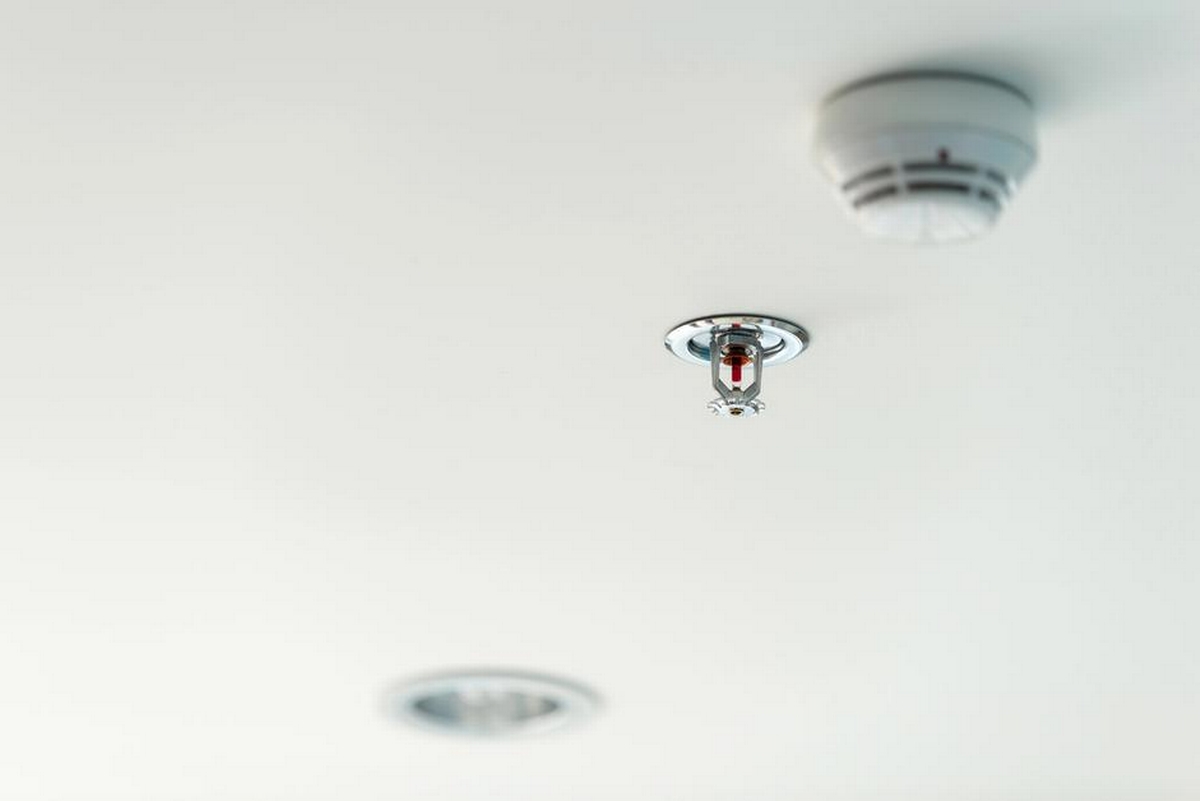
In bustling cities like Columbus, OH, there's an often-overlooked hero working quietly behind the scenes to protect people and properties: the local fire alarm. But have you ever wondered what is a local fire alarm used for? These essential devices are integral to the safety of our homes and businesses. At Thompson Restoration Associates, a leader in damage restoration services in Columbus, OH, we understand the importance of these systems in the realm of fire damage prevention and restoration. This blog post will delve into the various applications of local fire alarms and explain how they operate to keep you safe.
Local fire alarms hold more significance than most realize. They don’t just alert you and your loved ones about a potential threat; they can save lives by providing the crucial time needed to evacuate a building. Devices like these are a critical first line of defense against fire hazards, and understanding their operation can help Columbus residents enhance their safety plans. We will explore the mechanics of how fire alarms work, their different types, and the benefits of keeping them in top working condition.
How Does a Local Fire Alarm Work?
To fully appreciate what a local fire alarm is used for, it’s vital to understand the inner workings of these devices. At their core, fire alarms are designed to detect one of the key indicators of a fire: smoke, heat, or flames. Upon detection, they trigger an alert. Here’s a closer look at the components involved:
1. Smoke Detectors: These are the most common and are strategically placed to sense the first sign of smoke. They operate either through ionization, detecting the invisible particles produced by flames, or photoelectric methods that recognize smoke particles.
2. Heat Detectors: These are more robust than smoke detectors, as they sense a rapid rise in temperature. Heat detectors are beneficial in areas where smoke detectors can cause false alarms, such as kitchens.
3. Manual Call Points: In commercial spaces, these allow individuals to manually trigger an alarm if a fire is detected. This ensures that people can alert others to evacuate even if the automated systems haven’t activated.
Together, these components create a comprehensive safety net that is essential for fire damage restoration, aiding in minimizing potential loss and assisting in quicker recovery efforts in places like Columbus, OH.
The Role of Local Fire Alarms in Safety
Local fire alarms primarily function as alert systems, providing early warnings and allowing for swift evacuation. Their presence is invaluable in both residential and commercial settings. Here’s how they contribute to safety:
- Early Detection: A fire alarm can potentially detect a fire at its nascent stage, reducing damage and saving lives.
- Prevention of False Security: Ensuring that smoke and heat detectors are in place and functional can prevent complacency about fire risks.
- Legal Compliance: Many regions, including Columbus, OH, mandate fire alarms in certain buildings as part of safety codes.
Their importance cannot be overstated, whether it’s a small building or a comprehensive industrial setup. Numerous buildings rely heavily on these systems to ensure that even the smallest incidents do not escalate into major disasters.
Different Types of Fire Alarms
Fire alarms come in various types, each designed to fit different needs and environments. Understanding these can help in efficiently addressing the question: What is a local fire alarm used for in your particular setting?
- Conventional Fire Alarms: These are suitable for smaller buildings. They divide the premises into zones and indicate the zone where an alert has been triggered.
- Addressable Fire Alarms: These alarms are more advanced and are utilized in larger installations. Each device has its own unique address, reflecting the exact location of a fire.
- Wireless Fire Alarms: These are especially useful in historical buildings or where cabling is impractical. They operate through radio frequencies, avoiding the need for extensive wiring.
- Monitored Fire Alarms: These are connected to a monitoring service that alerts emergency services automatically if the alarm activates.
Selecting the right type is crucial and varies widely depending on the size, layout, and specific use of your property.
Maintenance of Fire Alarms
Ensuring that your fire alarms are in perfect working condition is as crucial as having them installed. Regular maintenance and inspections are highly recommended and are essential components of effective fire damage prevention.
Key maintenance practices include:
- Regular testing and battery replacement.
- Routine inspection of sensors and manual call points.
- Immediate repairs and replacements of faulty parts.
Neglecting these practices can lead to catastrophic consequences, which is why relying on professional services for regular checks can be beneficial.
Addressing Common Concerns and Misconceptions
Even with the central role they play, fire alarms can sometimes be misunderstood. Some common misconceptions about fire alarms include:
- “They cause false alarms frequently.” This can typically be avoided with proper placement and maintenance.
- “They are a hassle to install and maintain.” While initial setup requires attention, maintaining them is straightforward when handled by professionals.
- “They are not necessary in small buildings.” Fires can happen anywhere, making fire alarms necessary regardless of building size.
Recognizing these myths helps in better adherence to safety standards and enhances overall preparedness.
Fire Alarms in Action: Real-Life Benefits
The benefits of reliable fire alarms extend beyond mere alerts. They play a significant role in curtailing the extent of potential fire damage. In the unfortunate event of a fire, alarms enable swift evacuations, minimizing injuries and fatalities. Moreover, they provide critical time for fire extinguishing efforts, which can drastically reduce property damage.
For businesses, this could mean protecting not only the physical premises but also minimizing disruption to operations, retaining customer trust, and ensuring employee safety.
Beyond Installation: The Role of Fire Alarms in Damage Restoration
When fire strikes, having a clear and effective restoration plan is vital. This is why realizing the role that local fire alarms play in post-disaster scenarios is important. Services such as fire damage restoration in Columbus are crucial, where commercial and residential properties can experience fire hazards. A well-maintained alarm system facilitates a quicker recovery from fire incidents, allowing restoration services to effectively remove soot, smoke odors, and restore the property to its pre-damage state.
Making Your Property Safer with Professional Assistance
Given the complexity of fire alarm systems, professionals like Thompson Restoration Associates are invaluable. We offer fire damage restoration services in Delaware, ensuring that properties not only recover from unfortunate incidents but are also better equipped against future risks. Whether it’s installing a state-of-the-art system, conducting routine checks, or assisting post-fire, expert intervention is an investment in safety.
Understanding what a local fire alarm is used for and how they work is paramount in ensuring safety in residential and commercial properties. Their role in early detection and damage prevention cannot be overstated, and maintaining them should be a priority for every property owner in Columbus, OH, and its surroundings. For comprehensive fire damage and safety solutions, consider getting in touch with Thompson Restoration Associates, your partner in protecting lives and properties.